Getting to Know Portugal Better: Fascinating Things About Portugal That Capture the World’s Attention
Portugal, a small yet culturally rich country located on the Iberian Peninsula, continues to captivate the world in ways that far exceed its size. Known as one of Europe’s oldest nations, Portugal offers a remarkable blend of history, tradition, innovation, and natural beauty. From its role in shaping global trade routes to its modern-day reputation for sustainability and hospitality, Portugal has consistently drawn attention on the international stage.
This article takes a deeper look at the fascinating aspects of Portugal—its heritage, culture, landscapes, and innovations—that make it a country admired and celebrated worldwide.
1. The Age of Discovery: Portugal’s Global Legacy
One of Portugal’s most defining contributions to the world is its pivotal role during the Age of Discovery in the 15th and 16th centuries. Portuguese explorers such as Vasco da Gama, who pioneered the sea route to India, and Bartolomeu Dias, the first European to sail around the Cape of Good Hope, expanded the horizons of European knowledge and commerce.
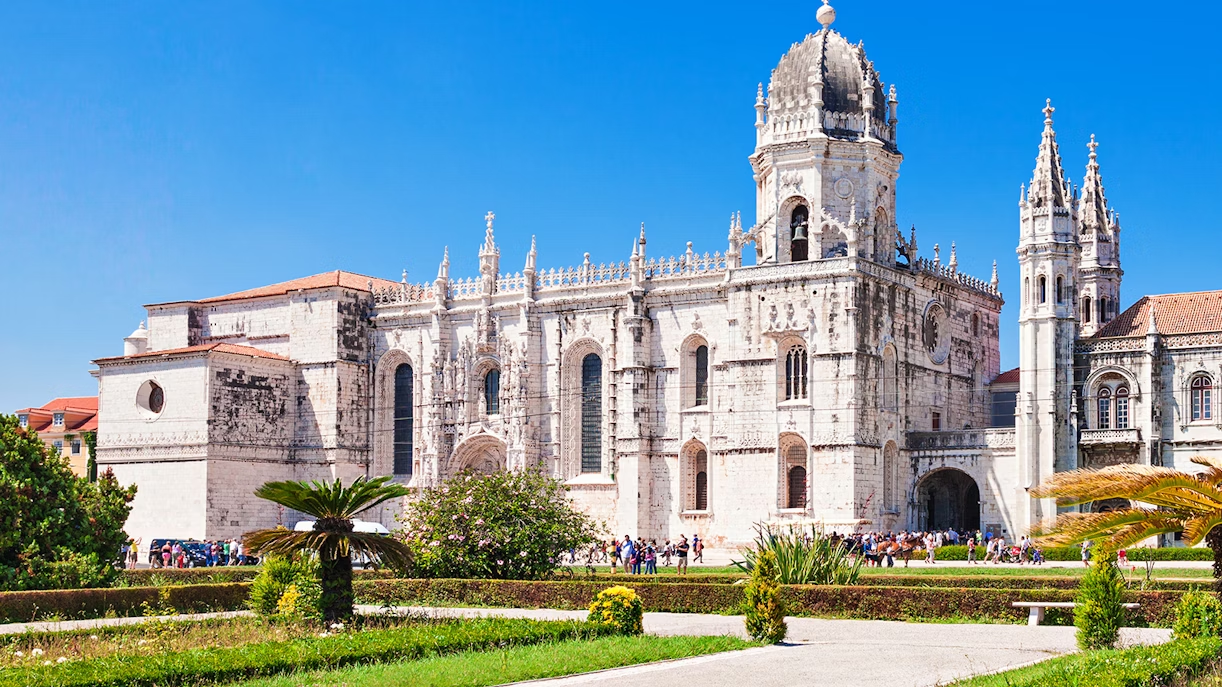
This era positioned Portugal as a maritime power that shaped global trade, linking Europe, Africa, Asia, and South America. The legacy of this golden age is still visible in landmarks like the Belém Tower and the Jerónimos Monastery in Lisbon, both UNESCO World Heritage Sites. These monuments are not only architectural treasures but also symbols of Portugal’s adventurous spirit that helped connect the world.
2. A Culinary Wonderland
Portuguese cuisine is another jewel that captures global admiration. Rooted in simple yet flavorful ingredients, Portuguese food reflects the country’s maritime history and agricultural traditions.
-
Bacalhau (salted cod) is perhaps the most iconic dish, with locals claiming there are more than 365 ways to prepare it—one for every day of the year.
-
Grilled sardines, often enjoyed during summer festivals, highlight Portugal’s connection to the sea.
-
Caldo verde, a traditional kale soup with potatoes and chorizo, brings warmth and comfort to Portuguese dining tables.
-
The famous Pastel de Nata, a creamy custard tart dusted with cinnamon, has become one of the world’s favorite pastries.
Beyond food, Portugal is a wine lover’s paradise. The Douro Valley, a UNESCO World Heritage Site, is the birthplace of Port wine, while Vinho Verde offers a lighter, refreshing option perfect for warm days. Each glass tells a story of tradition, terroir, and craftsmanship passed down through generations.
3. Fado: The Soul of Portugal
Portugal’s cultural heart beats strongly through Fado, the nation’s most recognized music genre. Characterized by melancholic melodies and lyrics expressing saudade—a deep sense of longing and nostalgia—Fado encapsulates the Portuguese soul.
Originating in Lisbon’s working-class neighborhoods in the 19th century, Fado has grown into a UNESCO-recognized art form. Performances in intimate Fado houses, where singers are accompanied by the traditional Portuguese guitar, offer visitors an emotional journey that resonates long after the music fades. It’s not just a song; it’s an experience of Portugal’s soul.
4. Spectacular Landscapes and Coastlines
Portugal is a land of extraordinary natural beauty, offering diverse landscapes that draw millions of visitors each year.
-
The Algarve, with its golden cliffs, turquoise waters, and hidden sea caves, is one of Europe’s most famous coastal destinations.
-
Nazaré, a fishing town, is renowned for its record-breaking giant waves, attracting surfers from around the world.
-
Serra da Estrela, Portugal’s highest mountain range, offers hiking, skiing, and panoramic views of rugged terrain.
-
The Azores and Madeira Islands, remote Atlantic archipelagos, are treasures of biodiversity with volcanic landscapes, lush forests, and breathtaking trails.
This combination of beaches, mountains, and islands makes Portugal a dream destination for adventure seekers, nature enthusiasts, and those simply in search of beauty.
5. Architectural Heritage and Historic Cities
Portugal’s architecture tells the story of centuries of cultural influences. From Gothic cathedrals to Manueline masterpieces, Moorish fortresses, and Baroque palaces, the country’s cities are living museums.
-
Lisbon, with its pastel-colored houses and iconic yellow trams, balances tradition with modern vibrancy.
-
Porto, famous for its riverside Ribeira district and wine cellars, is a city of charm and character.
-
Sintra, home to the whimsical Palácio da Pena and Moorish Castle, looks like it came straight out of a fairy tale.
-
Évora, another UNESCO World Heritage city, preserves Roman temples and medieval streets.
Perhaps the most distinctive feature of Portuguese architecture is the azulejo—blue-and-white ceramic tiles that adorn buildings, train stations, and churches. These tiles not only add beauty but also narrate stories of history, culture, and daily life.
6. Festivals and Traditions
Portugal’s cultural richness also shines through its lively festivals and traditions.
-
Festa de São João in Porto is one of the country’s most vibrant celebrations, featuring fireworks, music, and playful traditions like hitting each other on the head with plastic hammers.
-
Carnaval in towns like Torres Vedras is a colorful spectacle of costumes, parades, and dancing.
-
Festa dos Santos Populares, celebrated across Portugal in June, transforms neighborhoods into street parties with grilled sardines, music, and dancing.
These festivals not only showcase Portugal’s joyful spirit but also strengthen community bonds, keeping traditions alive across generations.
7. Global Sporting Icons
Portugal has left an undeniable mark on the global sports stage. Football is more than just a game here—it’s a passion that unites the nation. The world knows Portugal as the homeland of Cristiano Ronaldo, one of the greatest athletes of all time.
But beyond football, Portugal is also famous for producing top surfers, sailors, and athletes in athletics and futsal. Sporting achievements bring Portugal pride and international recognition, making it a country celebrated both on and off the field.
8. Modern Portugal: Innovation and Sustainability
While Portugal treasures its traditions, it is also a forward-looking nation. In recent years, Portugal has emerged as a leader in renewable energy, with a significant percentage of its electricity coming from wind, solar, and hydropower.
The country is also becoming a hub for technology startups and digital nomads, especially in Lisbon and Porto, which are increasingly recognized as European innovation centers. With affordable living, quality of life, and strong infrastructure, Portugal is drawing global attention as a modern country balancing progress with heritage.
9. Warmth and Hospitality
Perhaps the greatest reason Portugal captures the world’s attention is its people. Known for their warmth, humility, and hospitality, the Portuguese make visitors feel at home. Whether in a small fishing village or a bustling city, the friendliness of locals leaves a lasting impression.
This spirit of welcome is deeply rooted in the Portuguese way of life. Combined with the country’s beauty, it ensures that every journey to Portugal is not just a trip, but a heartfelt experience.
Conclusion :
Portugal may be small on the map, but its cultural, historical, and natural significance makes it one of the world’s most fascinating nations. From the daring explorers of the past to the innovative spirit of today, Portugal has consistently influenced and inspired the world.
Its food, music, landscapes, architecture, and traditions embody a richness that resonates far beyond its borders. And while monuments and festivals capture the eye, it is Portugal’s soul—expressed through Fado, community spirit, and warm hospitality—that truly captures the heart.
Getting to know Portugal better means appreciating not only its glorious past but also its dynamic present and promising future. It is a nation that continues to shine, drawing the world’s admiration and reminding us that greatness is not defined by size, but by depth, character, and heart.